Advocacy Checklist: Requesting a Special Education Evaluation for Down Syndrome
Requesting a special education evaluation starts with a written request, documented concerns, and tracked...

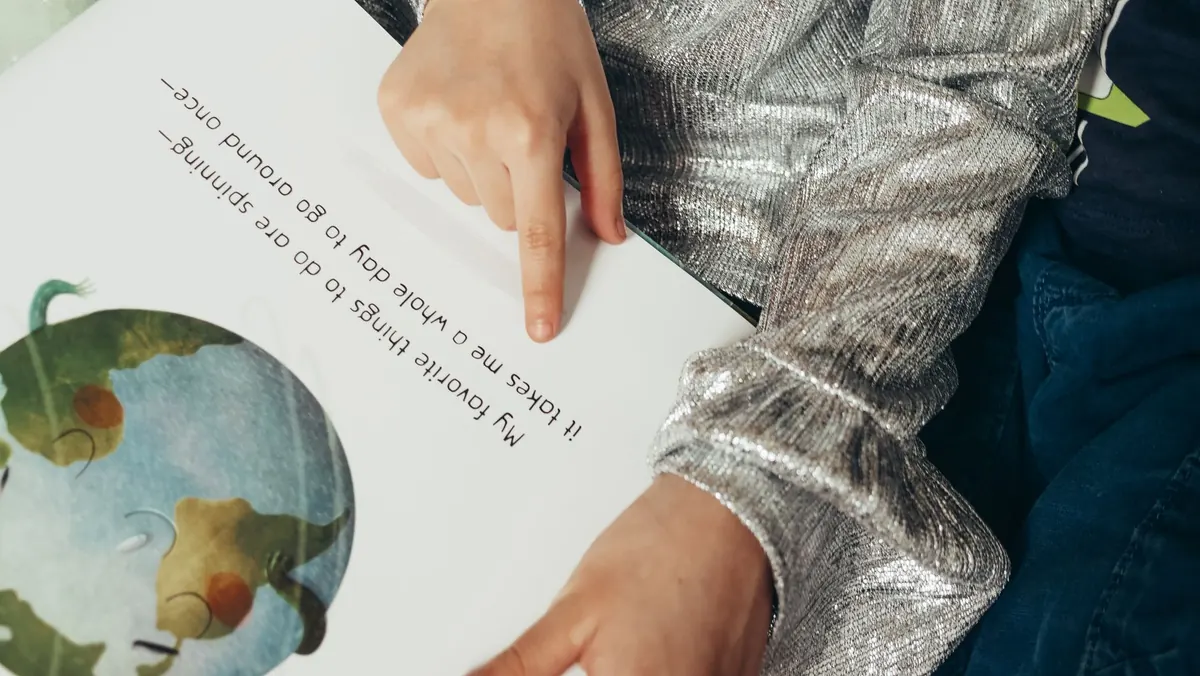
Teaching a child with Down syndrome to read is one of the most rewarding things you can do together. It is also one of the most misunderstood. Many of the strategies that work well for typically developing readers need to be adjusted, sometimes significantly, for a child who learns visually, processes language differently, and may need far more repetition than expected. The good news is that most of the mistakes below are easy to fix once you recognise them. Here are ten of the most common, along with what to do instead.
This is the mistake that quietly costs the most. A child who is not yet talking, or who speaks in short phrases, is often assumed to be pre-literate. In reality, many children with Down syndrome learn to read words before they can say them clearly. Reading can actually support speech development rather than wait for it.
If your child can match pictures, follow simple routines, or show interest in books, they are ready to begin. Start with meaningful, high-interest words: their name, family names, favourite foods, pets. Build from there.
Sight word instruction is valuable and often plays to a child's strong visual memory. But stopping there creates a ceiling. Children who only memorise whole words struggle when they meet unfamiliar vocabulary, and they miss the code that lets them read independently.
Pair sight words with phonics from the start. Teach a handful of letter sounds, then show how they combine. The word "cat" becomes a sight word and a decodable word. Both pathways reinforce each other.
Phonological awareness, the ability to hear and play with sounds in words, is a strong predictor of reading success. Some assume children with Down syndrome cannot develop it because of speech and hearing differences. Many can, with the right support.
You do not need special equipment. Clap syllables in names. Play with rhyming words. Say "sun" and ask what is left if you take away the first sound. Keep it playful and short. If your child has hearing loss, work closely with an audiologist and a speech-language therapist to adapt activities. This is a health-related area where professional guidance matters.
Clear speech and reading are not sequential. A child may read the word "elephant" perfectly while saying "efant." That is not a failure. It is progress. Correcting pronunciation every time can shut down reading confidence.
Separate the two goals. Celebrate the reading. Address speech in speech therapy sessions or at specific, gentle moments. Over-correcting during reading time teaches a child that reading is about getting sounds right rather than making meaning.
Visual clutter is a real barrier. A page crammed with sentences, small print, and busy illustrations can overwhelm a child who processes visual information differently. The result is often avoidance or guessing from pictures.
Simplify. Use large, clear font. One or two lines per page for beginners. Plenty of white space. If you are using a mainstream book, cover parts of the page or rewrite the text on a separate sheet. As reading improves, gradually increase the amount of text.
Down syndrome is a genetic condition, not a learning profile. Two children with the same diagnosis can have very different strengths, attention spans, and reading trajectories. What works for one may frustrate another.
Watch your child closely. Note what holds their attention and what causes them to shut down. Some children thrive with phonics-first instruction. Others need a whole-word approach before phonics clicks. Some need short, frequent sessions; others do better with slightly longer, less frequent ones. Adjust accordingly.
Forgetting is not a character flaw. Many children with Down syndrome need significantly more repetition to retain new skills. A word taught once or twice may seem learned in the session and be gone by next week.
Build review into every lesson. Revisit previous words before introducing new ones. Use a spiral approach: bring back old material regularly in different contexts. Ten minutes of solid review is often worth more than twenty minutes of new content.
Some children become fluent decoders, reading words accurately but not understanding what they read. This is a known risk, and it is easy to miss when you are focused on accuracy.
Ask questions from the start. "Who is in the story?" "Where are they?" "How do they feel?" Use pictures to support answers. Act out simple stories. If a child can read a sentence but cannot tell you what it means, comprehension needs to become the priority, not more advanced texts.
If every reading session involves correction, quizzing, and pressure, reading becomes something to endure rather than enjoy. Motivation matters enormously for any learner, and especially for a child who may already find reading hard work.
Follow the child's interests. If they love trains, read about trains. Let them choose books, even if the choice seems too easy. Praise effort and thinking, not just correct answers. End sessions while things are still going well, not after frustration has set in.
Reading progress stalls when the approach is inconsistent. If school uses one method, home uses another, and therapy uses a third, the child gets conflicting signals.
Communicate. Share what is working at home. Ask what the teacher is doing. Bring the same key words and strategies into different settings. A simple notebook or shared document that travels between home and school can make a real difference.
Pick one thing from this list and adjust it this week. Not all ten. One. If you are unsure where to start, focus on slowing down, adding more review, and making sure your child understands what they read. Those three changes alone can shift reading progress significantly.
And keep the long view. Literacy for a child with Down syndrome may take a different path and a different timeline, but it is a path worth walking. Your patience, consistency, and willingness to adapt are the most powerful teaching tools you have.
Photo: Kindel Media / Pexels
Requesting a special education evaluation starts with a written request, documented concerns, and tracked...
Behavior is often a message. This guide covers the most common missteps in behavior support for children...
Speech and language therapy in Down syndrome education builds communication step by step, from choosing...