Advocacy Checklist: Requesting a Special Education Evaluation for Down Syndrome
Requesting a special education evaluation starts with a written request, documented concerns, and tracked...

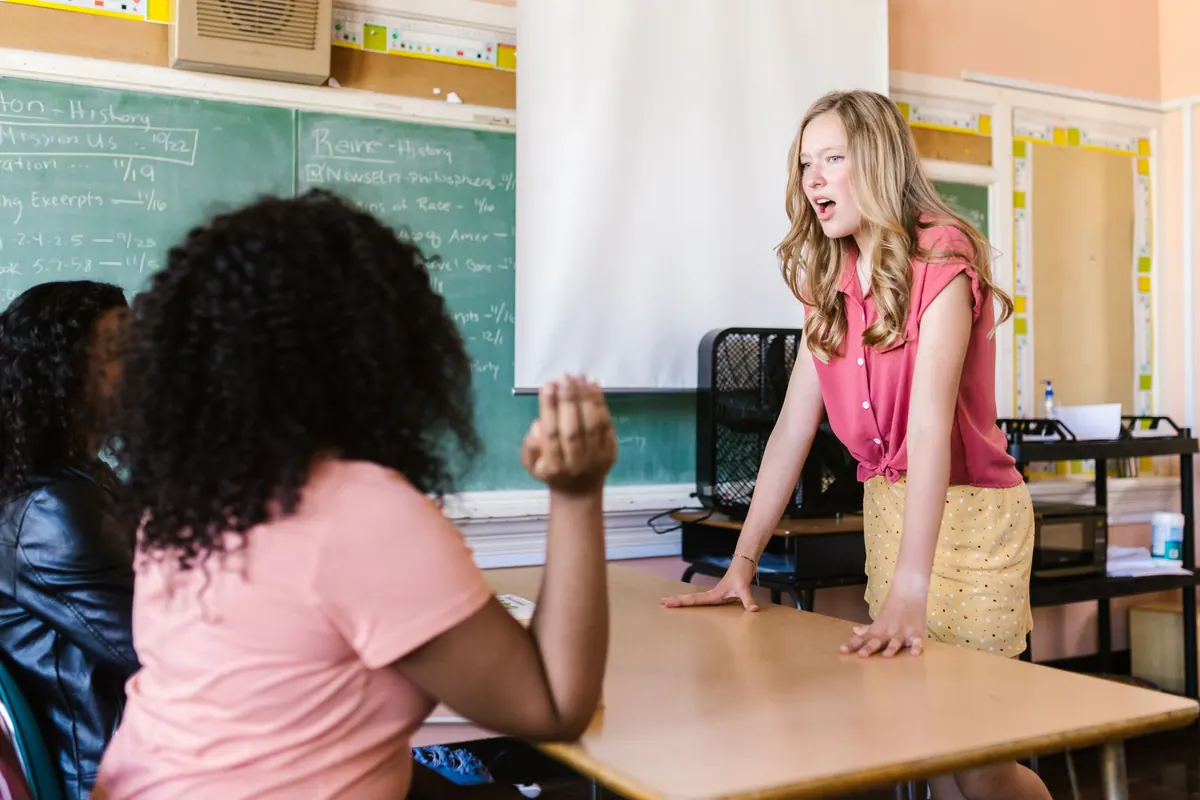
A new name appears on your class list in August, and with it a note: Down syndrome. You want to get this right, and you would rather not start from assumptions. That instinct is worth trusting. Down syndrome describes a genetic condition, not a personality, a ceiling, or a ready-made lesson plan. What follows is a plain-language overview for teachers meeting a student with Down syndrome for the first time: what the condition is, the learning patterns you may notice, and the everyday language that helps a classroom feel like a place where this student belongs.
Down syndrome is a genetic condition that occurs when a person has an extra copy of chromosome 21. The most common form is trisomy 21, where every cell has three copies instead of two. Some people have a partial extra copy, and a smaller number have extra chromosome 21 material attached to another chromosome. It happens at conception. Nothing a parent did or did not do causes it, and nothing a teacher does can change it.
The condition usually involves some degree of intellectual disability and a range of developmental differences. It can also come with health considerations such as heart, hearing, vision, thyroid, or sleep issues that families manage with their medical teams. Those decisions belong to the family and their clinicians. Your role is to know the accommodations a student needs at school, to notice when something seems off, and to raise it with the family and the school team rather than guess.
Here is the part that matters most in a classroom: people with Down syndrome vary as widely as anyone else. One student reads fluently and struggles with maths. Another has strong number sense and limited speech. Another is funny, stubborn, shy, or all three on different days. Any list of traits you find, including the one below, describes tendencies across a group, never the individual sitting in front of you.
Teachers often find that students with Down syndrome bring real strengths to a classroom. Visual information tends to stick better than spoken instructions. Many are strongly motivated by social connection, which makes peer learning and cooperative tasks powerful. They often imitate well, respond to routine, enjoy music and repetition, and show persistence with tasks they find meaningful.
Reading is a good example of how uneven a profile can be. Some students decode words earlier than expected while comprehension lags behind. That gap is useful information, not a contradiction — it tells you to pair decoding work with pictures, simple questions, and concrete experiences.
Words shape how classmates treat one another. Small adjustments in how you speak about a student set the tone for the whole room.
Good teaching for a student with Down syndrome looks a lot like good teaching, done with more intention. Post a visual schedule and preview any change, even a small one like a fire drill. Break tasks into chunks and use a first-then board: first the worksheet, then the tablet. Pair every spoken direction with a picture or a written cue. Model the task, do it together, then step back and watch.
Build in movement and choice. Seating matters too: check sightlines to the board and proximity to your voice if hearing is a factor. When checking understanding, ask the student to show you or explain it in their own way rather than asking "does that make sense?". And plan peer work deliberately — assign partners, name the roles, and teach classmates how to invite rather than answer for them. A student who is only ever helped never gets to be the helper.
Read the student's individual education plan before the year starts, then ask questions about anything unclear. The plan is a starting point, not a verdict on what a student can learn.
Families are your best source of practical knowledge: what calms their child, what frustrates them, which words they use at home. A short, regular message home — one specific thing that went well — builds trust far faster than a call that only comes when something goes wrong. Speech and language therapists, occupational therapists, and teaching assistants hold useful detail too. Bring them into your planning early rather than treating support as something that happens at the back of the room.
You are not expected to be a medical expert or a specialist. Ask the professionals in the room when health or therapy questions come up, and seek their advice early rather than improvising. Your job is to teach, to presume competence, and to keep raising the bar while you adapt the route. Do that, and the student with Down syndrome on your list becomes what they already are: one of your students, with their own strengths, quirks, and reasons to be in your room.
Photo: RDNE Stock project / Pexels
Requesting a special education evaluation starts with a written request, documented concerns, and tracked...
Behavior is often a message. This guide covers the most common missteps in behavior support for children...
Speech and language therapy in Down syndrome education builds communication step by step, from choosing...